WITS Program Descriptions

WORKSHOPS
WITS offers a range of workshops designed to support personal growth, wellness, connection, and collective change. Our workshops create welcoming spaces where people can learn practical tools, reflect on their experiences, build relationships, and explore new ways of moving through life.
Workshops may include embodied wellness practices that help participants connect with their bodies, manage stress, regulate the nervous system, and develop greater self-awareness. Other workshops focus on liberation, exploring topics such as power, identity, relationships, community, advocacy, and social change. The Growth Collective brings people together around personal development, goal-setting, accountability, and turning intentions into meaningful action.
Across all of our workshops, WITS combines education, conversation, practical tools, reflection, and community connection. We believe learning does not have to feel clinical or intimidating. Our goal is to create spaces where people can feel supported, try something new, connect with others, and leave with something useful they can bring into their everyday lives.
Small Group CoachinG
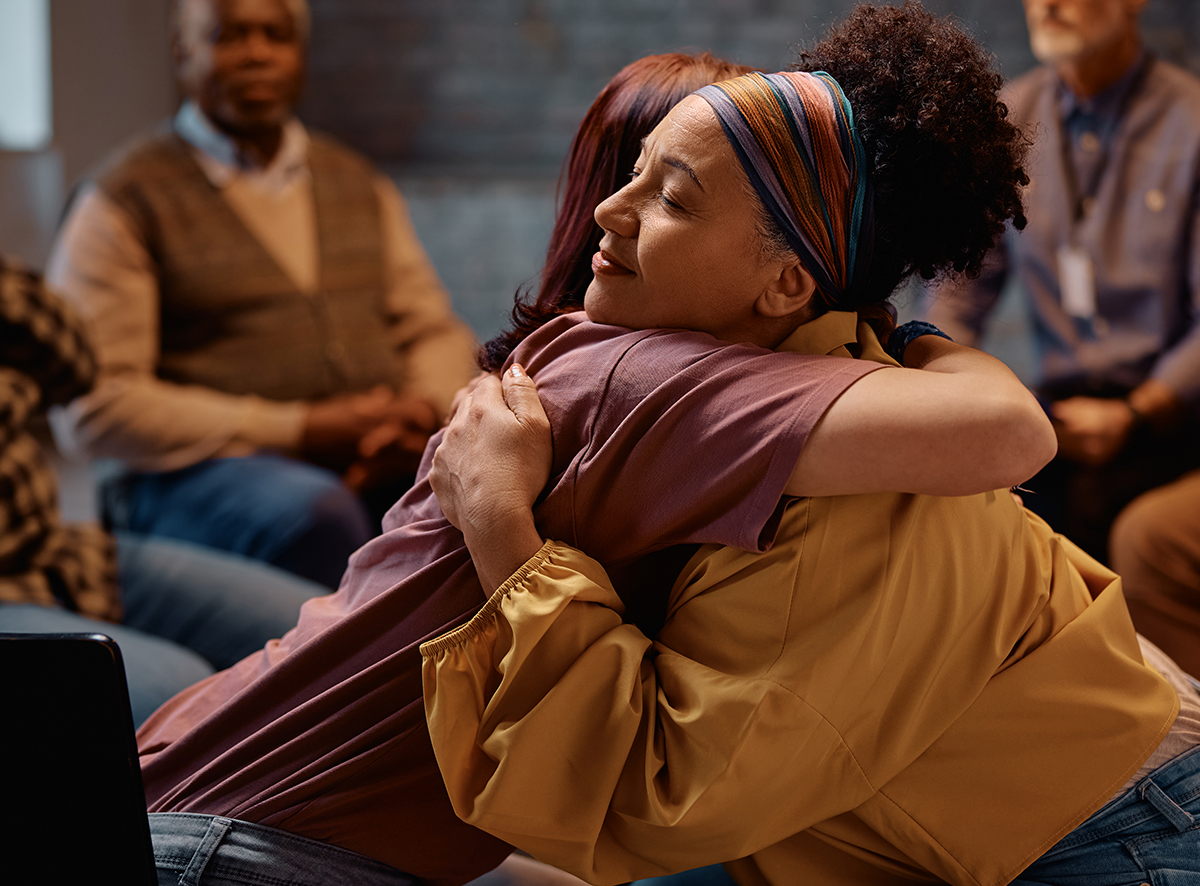
Small Group Coaching offers participants the opportunity to learn, grow, and build skills within a supportive community of peers who share similar goals. Facilitated by experienced professionals, these groups create a safe environment where participants can explore challenges, practice new perspectives, receive constructive feedback, and celebrate progress together. Topics may include emotional intelligence, healthy relationships, parenting, resilience, communication, stress management, confidence building, and personal leadership.
At WITS, we believe healing and growth occur not only through individual reflection but also through healthy connection with others. Small group coaching incorporates restorative circle practices, guided discussion, experiential activities, mindfulness, and culturally responsive approaches that encourage accountability while fostering belonging and mutual respect. Participants learn from one another’s experiences, strengthen interpersonal skills, and develop practical tools that support long-term growth in their personal, family, and professional lives.
Abusive Partner Intervention ProgramS (APIP)
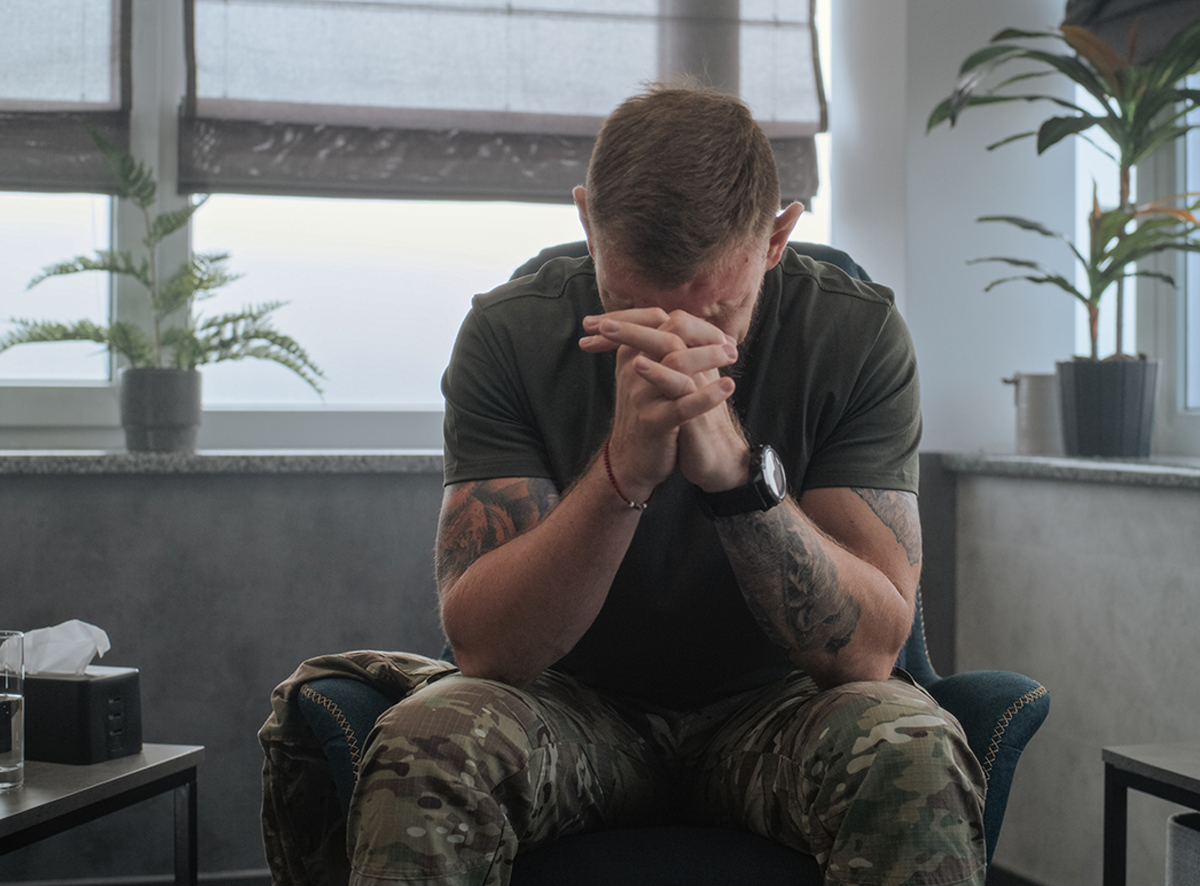
The WITS Abusive Partner Intervention Program (APIP) is a comprehensive, evidence-informed intervention designed to reduce intimate partner violence by promoting accountability, increasing survivor safety, and creating meaningful behavioral change. Consistent with New York State standards, the program helps participants examine patterns of coercive control, entitlement, unhealthy relationship beliefs, and abusive behaviors while developing the knowledge and skills necessary to build respectful, nonviolent relationships. Participants explore the impact of their actions on partners, children, families, and the broader community while learning practical strategies for emotional regulation, conflict resolution, empathy, and responsible decision-making.
Our APIP extends beyond behavior management by addressing the underlying motivations that contribute to abusive behavior, including distorted thinking, shame, attachment patterns, trauma, emotional dysregulation, and identity development. Using structured risk assessments, individualized intervention planning, restorative principles, and collaboration with survivor advocacy organizations and community partners, WITS maintains survivor safety as the central priority while supporting participants in creating sustainable, long-term change. The program integrates neuroscience, cognitive behavioral interventions, motivational interviewing, indigenous perspectives on healing and community responsibility, and restorative practices to promote accountability that extends beyond program completion.
Support Groups
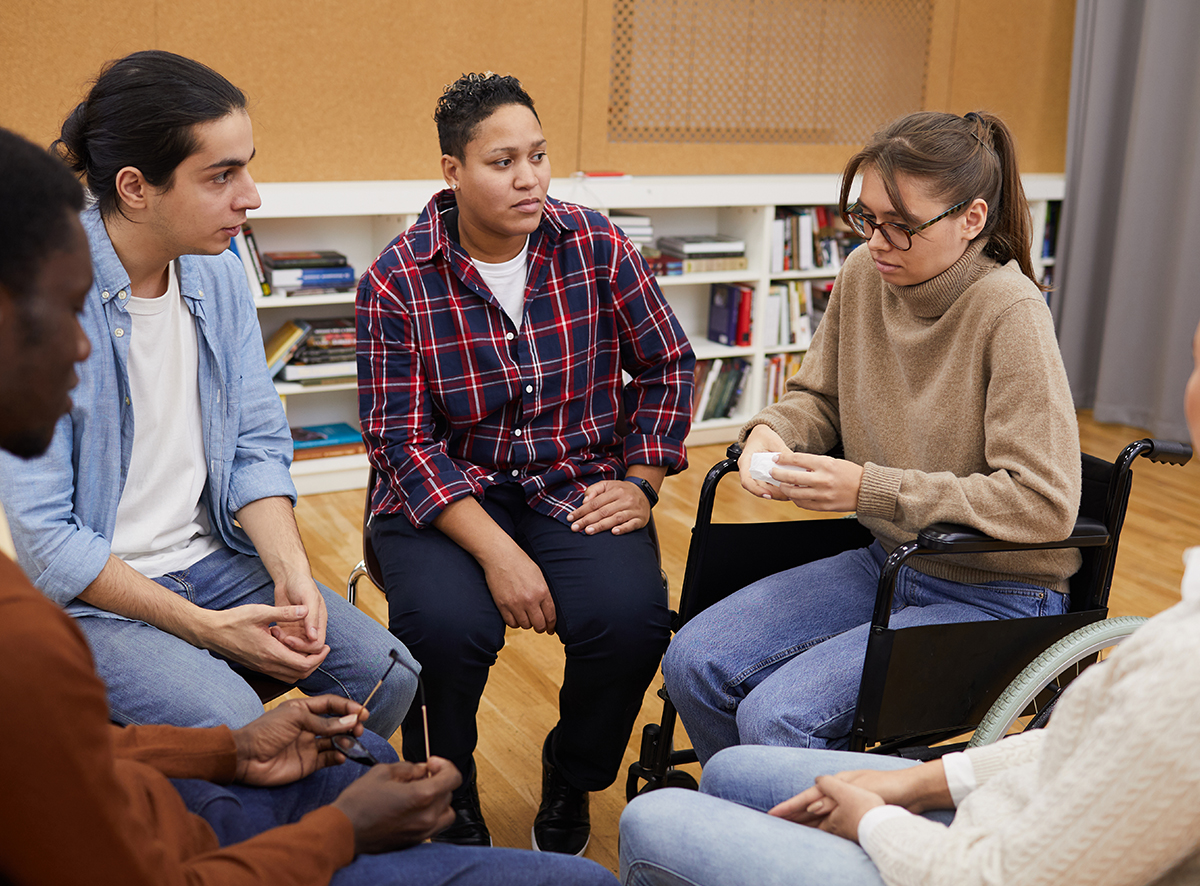
WITS Support Groups provide compassionate, peer-centered spaces where individuals can connect with others who have shared similar life experiences while receiving encouragement, education, and practical tools for healing. Whether participants are navigating trauma, intimate partner violence, family conflict, parenting challenges, grief, life transitions, or personal growth, support groups offer an opportunity to reduce isolation, strengthen resilience, and build healthy connections within a community of mutual respect and understanding. Facilitators guide discussions while encouraging participants to share experiences at their own pace and in ways that feel safe and meaningful.
Grounded in trauma-informed and restorative values, WITS support groups recognize that healing often occurs in relationship with others. Groups may incorporate mindfulness, somatic practices, psychoeducation, restorative circles, creative expression, indigenous healing perspectives, and skill-building activities that promote emotional wellness and self-empowerment. Participants leave with practical coping strategies, stronger support networks, and a renewed sense of hope, belonging, and confidence as they continue their individual journeys toward healing and thriving.